
Exterior Paint
Exterior coatings and how they protect a home
Exterior coatings work harder than interior paint. They face sun, rain, temperature swings, and moisture moving through siding. Durability starts with the right product and the right conditions.
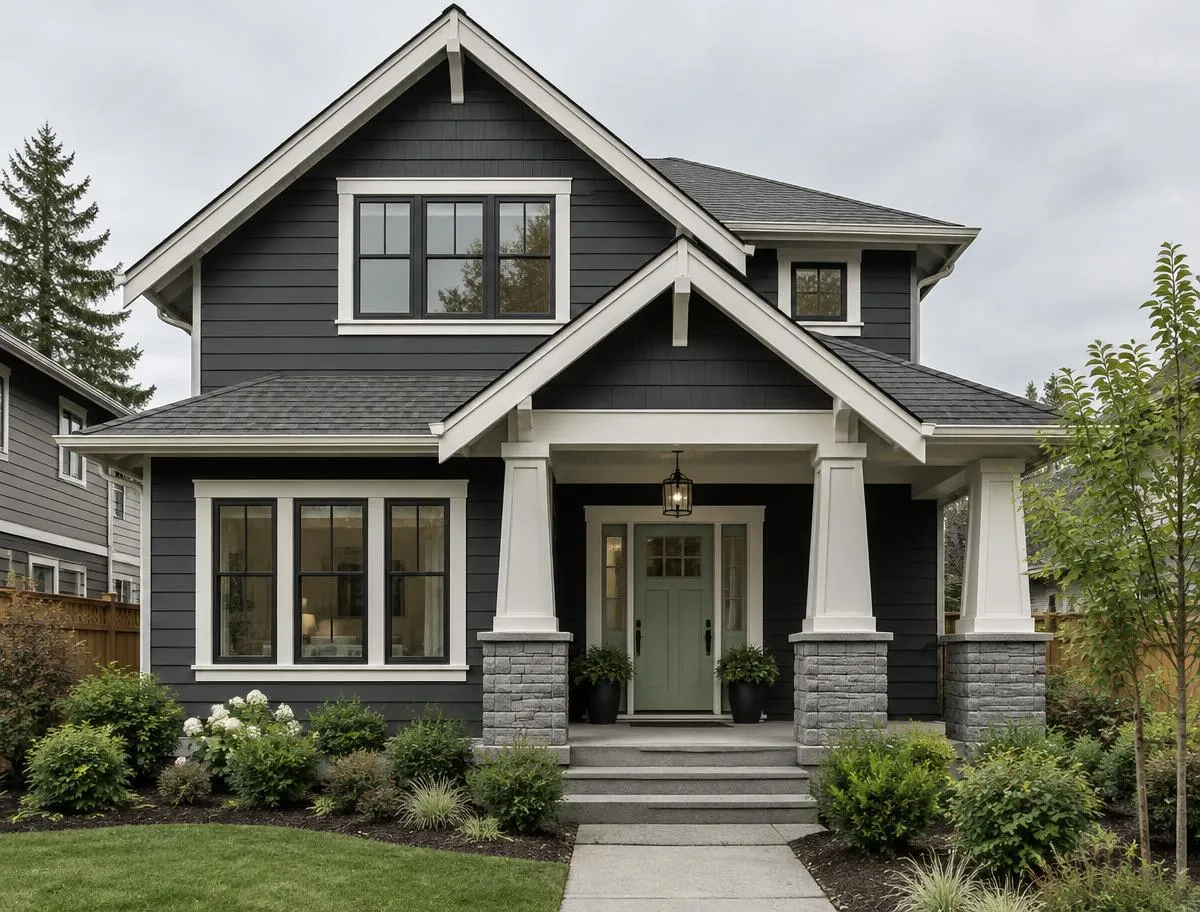
Common exterior coating types
Homeowners usually encounter a few broad categories.
- Exterior acrylic latex paint: flexible, breathable, and widely used on wood, fiber cement, and stucco.
- Solid and semi-transparent stains: soak into wood and show more or less grain.
- Elastomeric coatings: thick, stretchy films often discussed for masonry and stucco.
- Exterior enamels: harder finishes often used on doors and trim.
Weather and timing
Product labels list minimum surface and air temperatures. Dew, rain shortly after application, and direct midday sun on dark colors can all affect how a coating cures. Many homeowners plan exterior work for mild, dry stretches of the year.
Signs a coating is wearing out
Chalky residue, peeling, cracking, and fading on sun-facing walls are common indicators that an exterior coating is reaching the end of its service life. Noting where these appear first helps when planning maintenance.